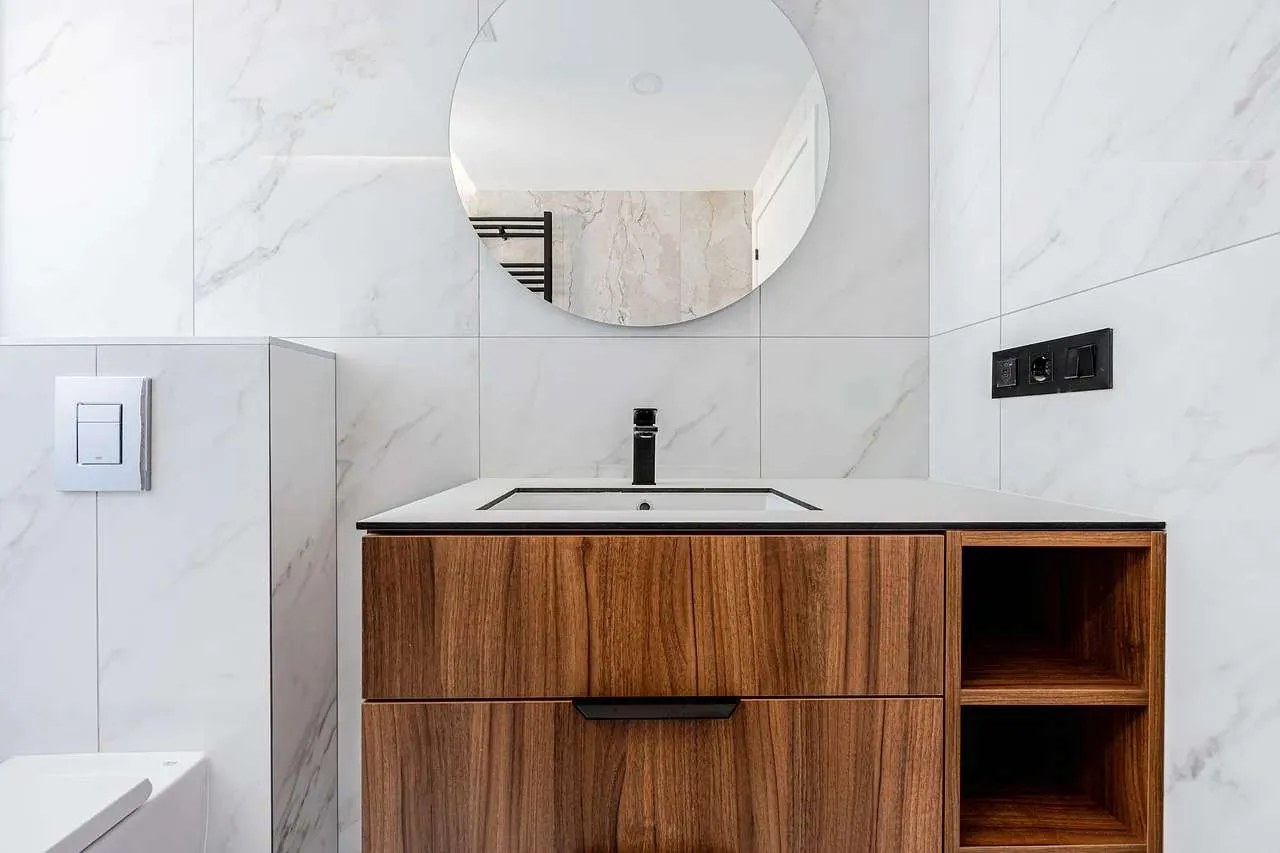
Small bathrooms pose unique design challenges, but with the right ideas you can create a space that feels larger, more functional, and noticeably more comfortable. This guide shares practical, tested approaches for optimizing layout, choosing fixtures, and selecting materials, all aimed at delivering strong results for searches about small bathroom ideas. The recommendations emphasize quality, durability, and ease of maintenance to support EEAT principles: demonstrating expertise, trustworthiness, and authority in bathroom design.
Design principles for small bathrooms
Key principles for maximizing every square inch include maximizing light, reducing visual clutter, and choosing scalable solutions. Lighter tones, reflective surfaces, and ample vertical storage help to create a sense of airiness. Begin with a realistic plan: measure the exact dimensions, consider door swings, and think about future needs such as accessibility. When possible, consult a licensed professional for structural or plumbing changes to ensure safety and code compliance, which reinforces trust and credibility.
Layout optimization
In tight spaces, linear or single-wall layouts work well because they minimize wasted space. If possible, install a pocket door or a slim sliding door to free up floor area. Consider a wall-mounted vanity to create under-vanity clearance that visually increases floor space. For showers, a corner entry or a frameless pivot door can reduce visual barriers and improve flow.
Color, finishes and materials
Choose a light, cohesive color palette with glossy or semi-gloss finishes to reflect light. Large-format tiles reduce grout lines, while reflective surfaces (mirrors, glass, polished stone) amplify brightness. Moisture resistance is essential; select tiles and cabinetry with appropriate ratings and sealants to prevent mold and water damage over time.
Smart storage ideas
- Built-in niches in the shower wall to hold toiletries at arm’s reach
- Medicine cabinets with mirrored fronts to save wall space
- Recessed shelving and tall, slim cabinetry to maximize vertical storage
- Wall-mounted vanities or pedestal sinks with open space underneath for easy cleaning
- Over-the-toilet storage units or shelving that do not protrude into the room
Fixtures and fittings for small baths
Opt for compact, water-efficient fixtures. Wall-mounted or back-to-wall toilets save space and improve hygiene. Choose a corner or wall-mounted sink with a slim profile. For showers, a frameless glass enclosure or a curved shower curtain rod can visually expand the room. Consider a shower with built-in bench or seating if space allows, providing comfort without clutter.
Lighting and ventilation
Layered lighting is critical: a bright ceiling light combined with task lighting at the mirror helps the room feel larger and safer. Use LED fixtures with a high CRI for accurate color rendering. Proper ventilation prevents moisture buildup; an efficient exhaust fan or an inline vent is recommended in every bathroom remodel.
Materials and maintenance
Choose durable, moisture-resistant materials with easy-clean surfaces. Light grout colors hide grime better when cleaned regularly, but consider epoxy grout for superior moisture resistance. Select vanity tops and shower enclosures that resist staining and mildew, reducing maintenance time and extending the life of the space.
Shower options for small bathrooms: a quick comparison
| Option | Pros | Cons | Best For |
| Walk-in shower with frameless glass | Opens visuals; easy access; modern look | Higher upfront cost; requires precise installation | Open, airy feel in compact layouts |
| Corner shower stall | Maximizes corner space; water containment | Can feel tight if the space is very small | Small bathrooms needing efficient water containment |
| Tub-shower alcove combo | Versatile for baths and showers | Takes more depth; not ideal for ultra-compact spaces | Families with kids or multi-purpose needs |
| Shower with shower-curtain or doorless entry | Low cost; flexible layout | Maintenance of curtain; splash risk without proper sealing | Budget-driven remodels or ultra-small spaces |
Planning steps and practical tips
Start with precise measurements of width, length, door swing, and plumbing locations. Create a simple schematic showing where fixtures will go, then compare three layout options before purchasing fixtures. Budget for durable, water-resistant materials and professional installation where required. Use energy-efficient lighting and water-saving fixtures to improve long-term operating costs and environmental impact, reinforcing credibility with forward-thinking design choices.
Cost considerations and maintenance planning
Costs vary with materials, fixtures, and whether plumbing changes are needed. Prioritize durable, low-maintenance products in a small bathroom where repairs can be disruptive. Request quotes from licensed contractors and verify warranties. Routine maintenance—such as sealing grout annually and cleaning glass with squeegee—extends life and keeps the space looking new longer, a practical tip for every homeowner undertaking a small bathroom project.
Conclusion
Conclusion: Small bathroom ideas succeed when you optimize layout, select light colors and reflective surfaces, add smart storage, and choose compact, efficient fixtures. A well-planned design uses vertical space and clean lines to create the illusion of a larger room while delivering practical, durable functionality. This approach supports EEAT by combining design expertise, reliable materials, and professional guidance to deliver a space that is both stylish and trustworthy. Remember to consult licensed professionals for structural or plumbing changes to ensure safety and compliance.
Summary: By applying these small bathroom ideas, you maximize space while maintaining style and function. Prioritize vertical storage, light colors, and compact fixtures, plan carefully, compare options, and invest in durable, moisture-resistant materials to achieve a polished, long-lasting result.