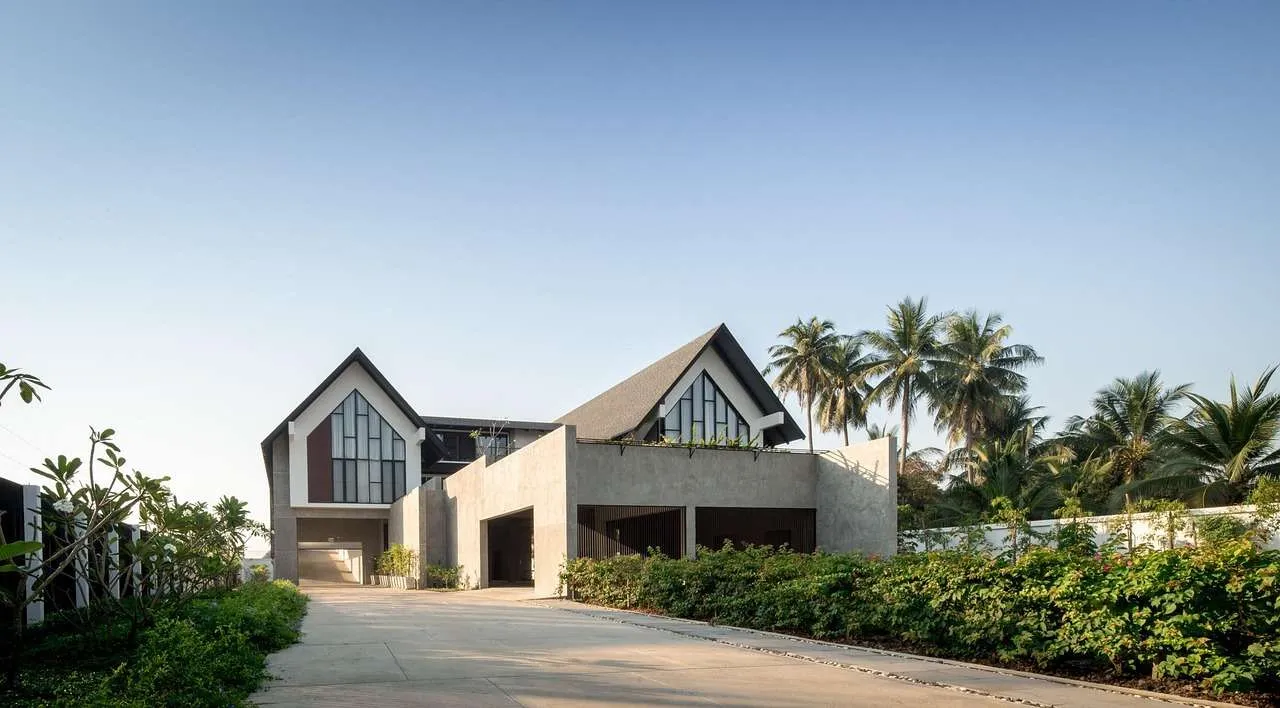
TPO roofing, short for thermoplastic polyolefin, is a popular single-ply membrane used on flat and low-slope roofs. It blends durability with energy efficiency, making it a favored choice for commercial properties and modern homes with flat sections.
What is TPO Roofing?
TPO roofing is a single-ply membrane typically made from a blend of polypropylene and ethylene propylene rubber. It comes in light colors such as white to reflect sunlight and reduce heat gain. TPO membranes can be installed as fully adhered, mechanically fastened, or ballasted systems, depending on the roof deck and climate. The material is weldable at seams, which helps create a watertight layer when properly installed by qualified technicians.
Key advantages include strong seam strength, energy efficiency through solar reflectivity, and resistance to typical rooftop elements like UV exposure and ozone. When installed correctly, TPO provides reliable protection for flat and low-slope roofs in commercial corridors, multifamily housing, and some residential designs.
Benefits of TPO Roofing
- Low energy costs due to high reflectivity, reducing cooling loads in warm climates.
- Flexible and lightweight, facilitating quick installation and repairs.
- Cost-effective compared with other single-ply membranes while offering solid durability.
- Excellent puncture resistance and tear strength with proper installation.
- Seams are heat-welded for enhanced watertight performance and long-term reliability.
- Environmentally friendly options exist, and the material can be produced with recycled content.
Potential Drawbacks and Considerations
While TPO offers many benefits, there are considerations to keep in mind. Quality varies among manufacturers, so choosing a reputable product and a skilled installer is essential. Some early-generation TPO membranes faced issues with seam integrity and aging under certain conditions, though modern formulations have improved. Proper surface preparation, appropriate adhesive choices, and weather-safe installation are critical to maximizing lifespan. In regions with extreme weather or foot traffic, regular inspections and timely repairs help prevent leaks and membrane damage.
Installation Process Overview
The installation of a TPO roof typically follows these steps: surface preparation, including deck inspection and cleaning; installation method selection (fully adhered, mechanically fastened, or ballasted); installation of flashings and edge detailing around parapets and penetrations; seam welding for joints; and comprehensive final inspection. An experienced contractor ensures proper substrate conditions, correct heat-welding technique, and adherence to the manufacturer warranty requirements. Depending on roof size and complexity, installation can range from a few days to a couple of weeks.
Maintenance, Longevity, and Warranties
Maintenance for a TPO roof is comparatively straightforward. Schedule regular inspections, especially after severe weather, and inspect seams, flashings, and drainage details. Keep the roof free of debris to prevent ponding and enhance airflow. Most TPO systems carry warranties that cover labor and materials, typically ranging from 10 to 20 years, with some manufacturers offering longer-term options. The color choice (white or light gray) helps maintain energy efficiency by reflecting solar radiation, which can contribute to lower building cooling costs over time.
Cost and Energy Savings
Costs for TPO roofing depend on roof size, thickness (commonly 45 to 60 mil), system type, and local labor rates. Typical installed costs fall roughly in the range of five to nine dollars per square foot, with higher-end projects or thicker membranes nudging toward the upper end. While upfront costs matter, the energy savings from reflective surfaces can offset a portion of the expense, particularly in hot climates. A well-installed TPO roof also reduces heat absorption and improves indoor comfort for commercial and multi-family buildings.
TPO vs Other Roofing Materials
To help with decision-making, consider this quick comparison in the table below.
| Material | Typical Use | Lifespan | Pros | Cons |
|---|---|---|---|---|
| TPO | Flat and low-slope roofs | 15-25 years | Energy efficient, cost-effective, weldable seams | Quality varies by manufacturer; needs proper installation |
| PVC | Commercial roofs | 20-30 years | Excellent chemical resistance, long life | Higher upfront cost |
| EPDM | Flat roofs | 20-30 years | Budget-friendly, durable, simple repairs | Seam durability depends on adhesive; black EPDM absorbs heat |
| Metal | Low-slope or pitched roofs | 40-70 years | Outstanding longevity, wind resistance, recyclability | Higher upfront cost, complex flashing details |
| Asphalt Shingles | Low-slope to pitched roofs | 15-30 years | Lower cost, easy to install, wide availability | Not ideal for true flat roofs, shorter lifespan in hot climates |
How to Choose a Contractor and Warranties
Choose a contractor with proven experience in TPO installations, manufacturer training, and strong references. Verify that the installer follows the membrane manufacturer’s guidelines, uses the recommended seam-welding equipment, and offers both material and workmanship warranties. A quality installation not only prevents leaks but also maximizes energy savings and the membrane’s overall performance over time.
Frequently Asked Questions
Q: Can TPO be installed over existing roofs?
A: In many cases, yes, but it depends on the existing roof deck condition and the chosen installation method. A professional assessment is essential.
Q: Is TPO recyclable?
A: Many TPO membranes contain recyclable content and are themselves recyclable at end of life when processed by a specialized facility.
Conclusion, or the final note of the piece, is reserved for the summary below.
Summary: TPO roofing offers a cost-effective, energy-efficient solution for flat and low-slope roofs. Its reflectivity reduces cooling costs, while seam-welded joints and multiple installation options support reliable performance. Attention to material quality, proper installation, and timely maintenance ensures long-term protection, favorable warranties, and a solid return on investment when compared with other roofing options.